Exterior Surfaces Cleaned Without Causing New Damage
Pressure Washing and Soft Washing in Elkhart for siding, concrete, roofs, and patios carrying embedded organic growth and staining
Algae streaking on siding, black staining across roof shingles, and oil-embedded concrete are three of the most common exterior conditions that standard rinsing cannot address. Owen's Exterior Cleaning applies pressure washing and soft washing to residential and commercial properties in Elkhart, selecting the appropriate method based on the surface material and the type of contamination present. Using high pressure on softer materials like vinyl siding or asphalt shingles causes surface damage that outlasts the original staining problem, which is why method selection is a decision point—not a default.
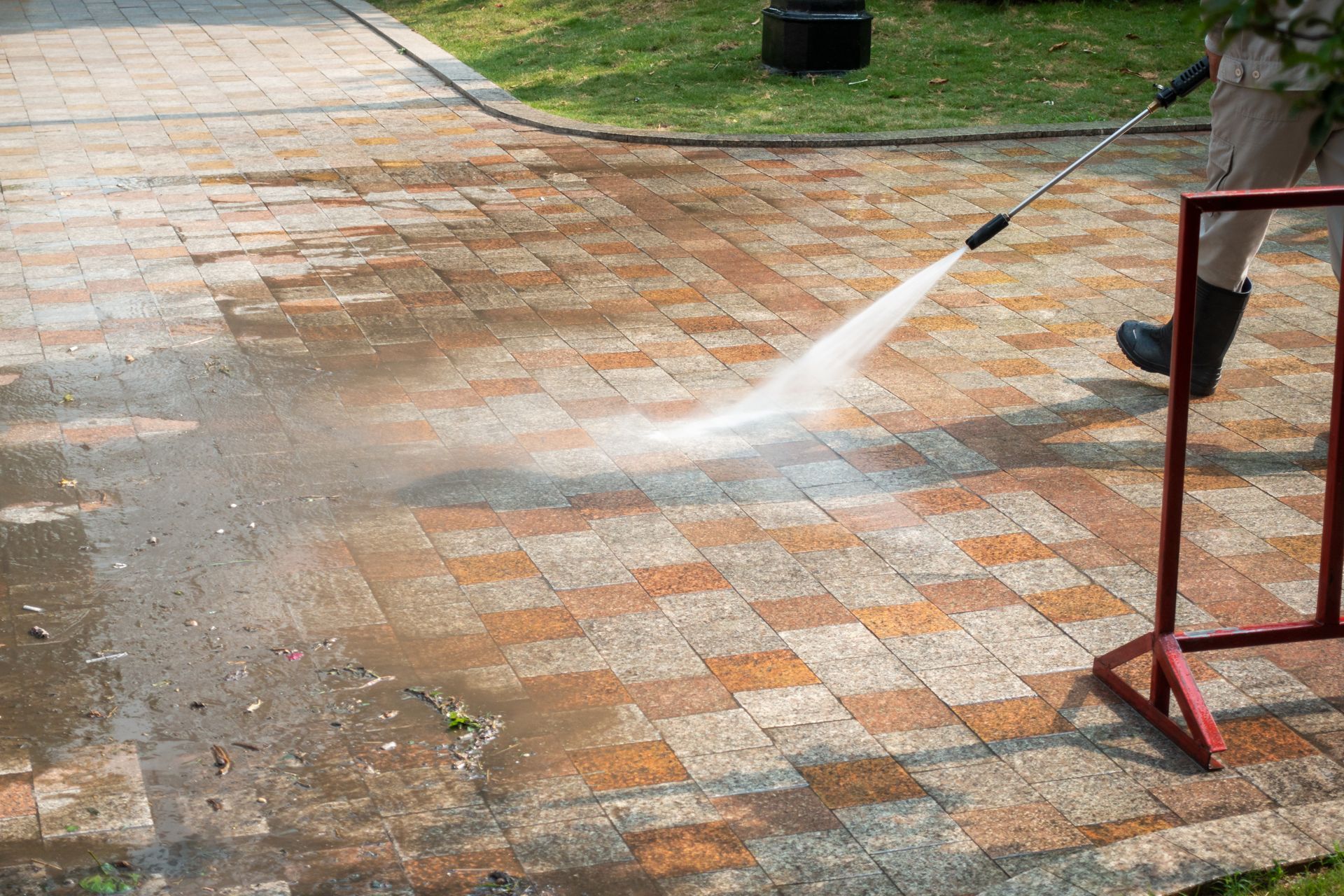
Soft washing uses lower water pressure combined with cleaning solutions formulated to break down biological growth at the root—mold, algae, lichen, and mildew that have bonded to porous surfaces. Pressure washing applies higher mechanical force to dense surfaces like concrete, brick, and stone where organic material and embedded grime require direct removal. Elkhart's humid summers and wet spring seasons create consistent conditions for algae and mold colonization on north-facing walls and shaded roof sections, where moisture lingers longest. Pricing is structured based on the specific property and scope of work rather than a flat rate, because a single-story vinyl-sided home and a commercial brick building with parking lot concrete require fundamentally different approaches.
Arrange an on-site assessment of your exterior surfaces so the scope of work and appropriate method can be evaluated before pricing is finalized.
Why Method Selection Determines the Final Result
The difference between pressure washing and soft washing is not a preference—it's a material compatibility decision. Asphalt shingles, for example, lose granules under high-pressure water, which shortens their functional lifespan. Soft washing penetrates the biological growth causing roof discoloration and removes it without mechanical abrasion. Concrete and pavers, on the other hand, have the surface density to withstand direct pressure, which is necessary to pull embedded motor oil, rust runoff, and compacted organic material out of the pore structure of the slab.
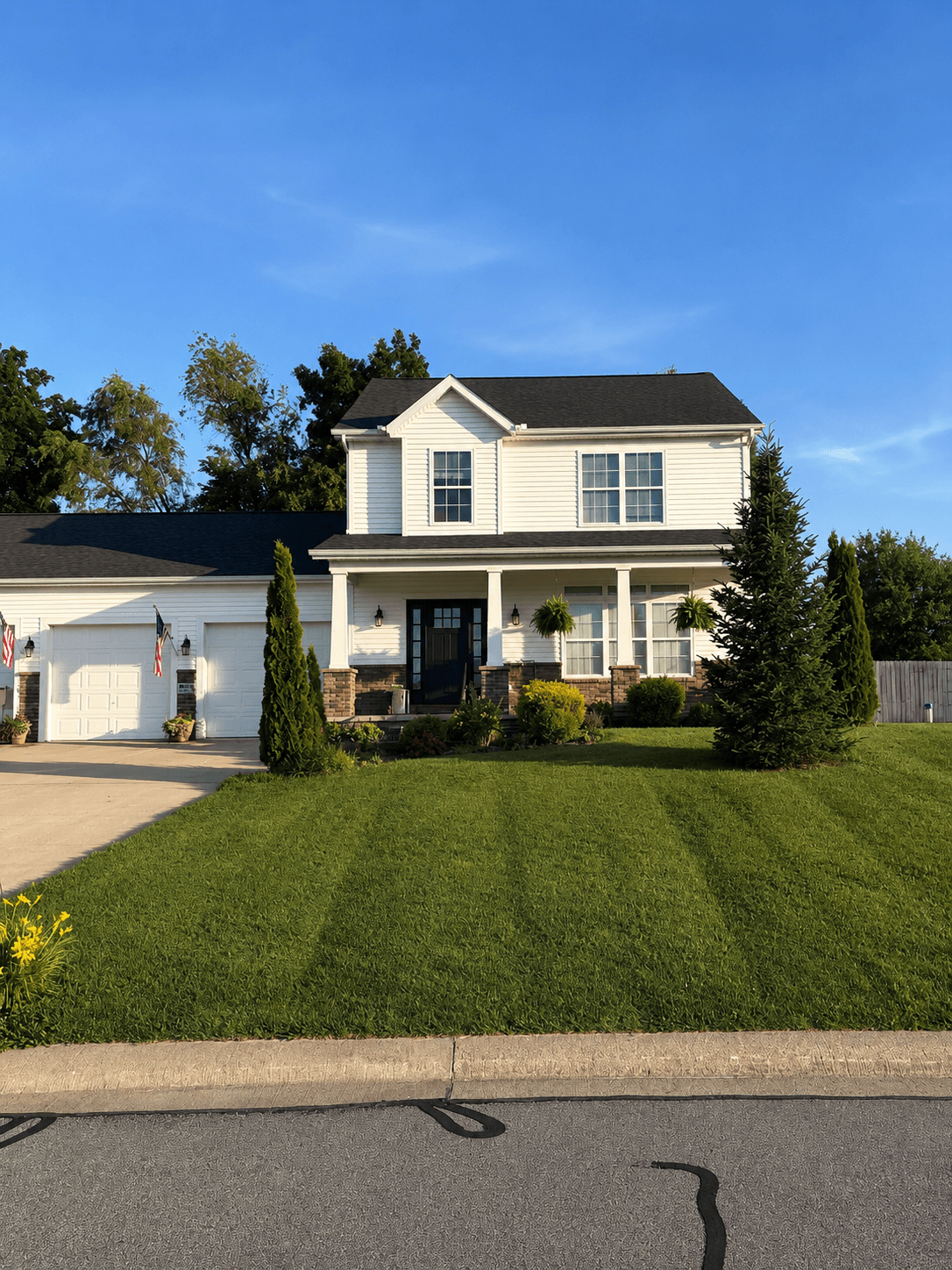
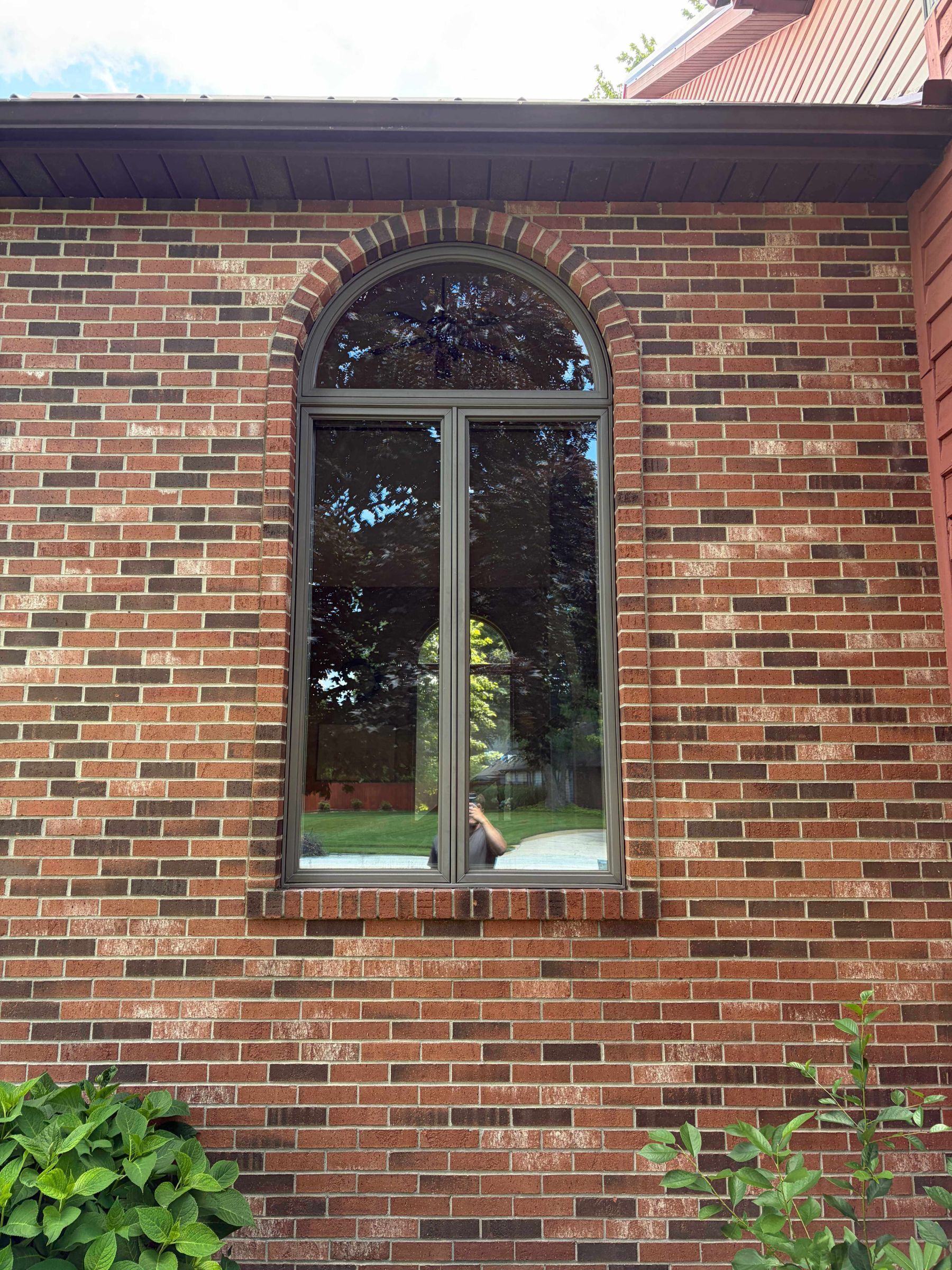
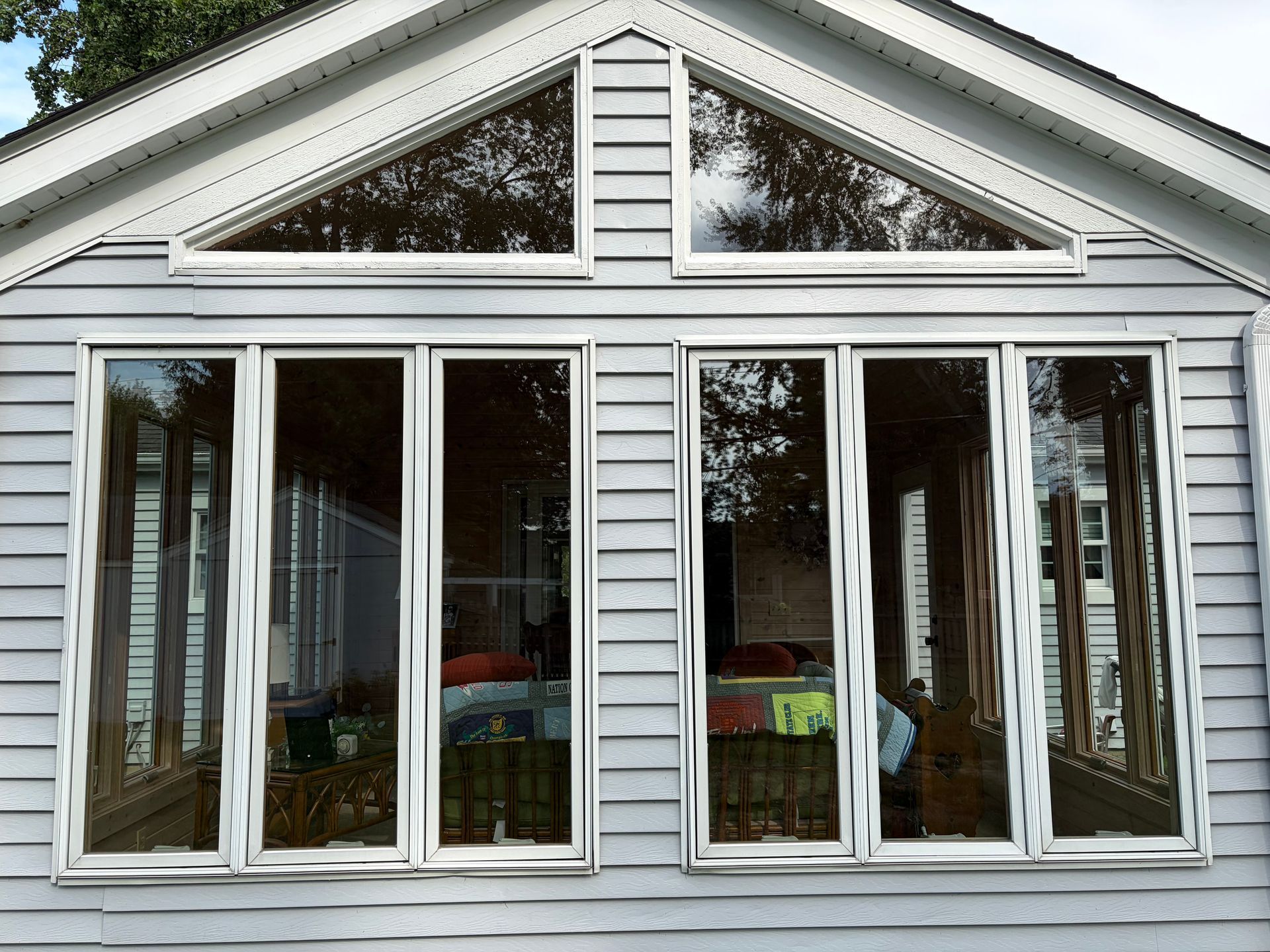
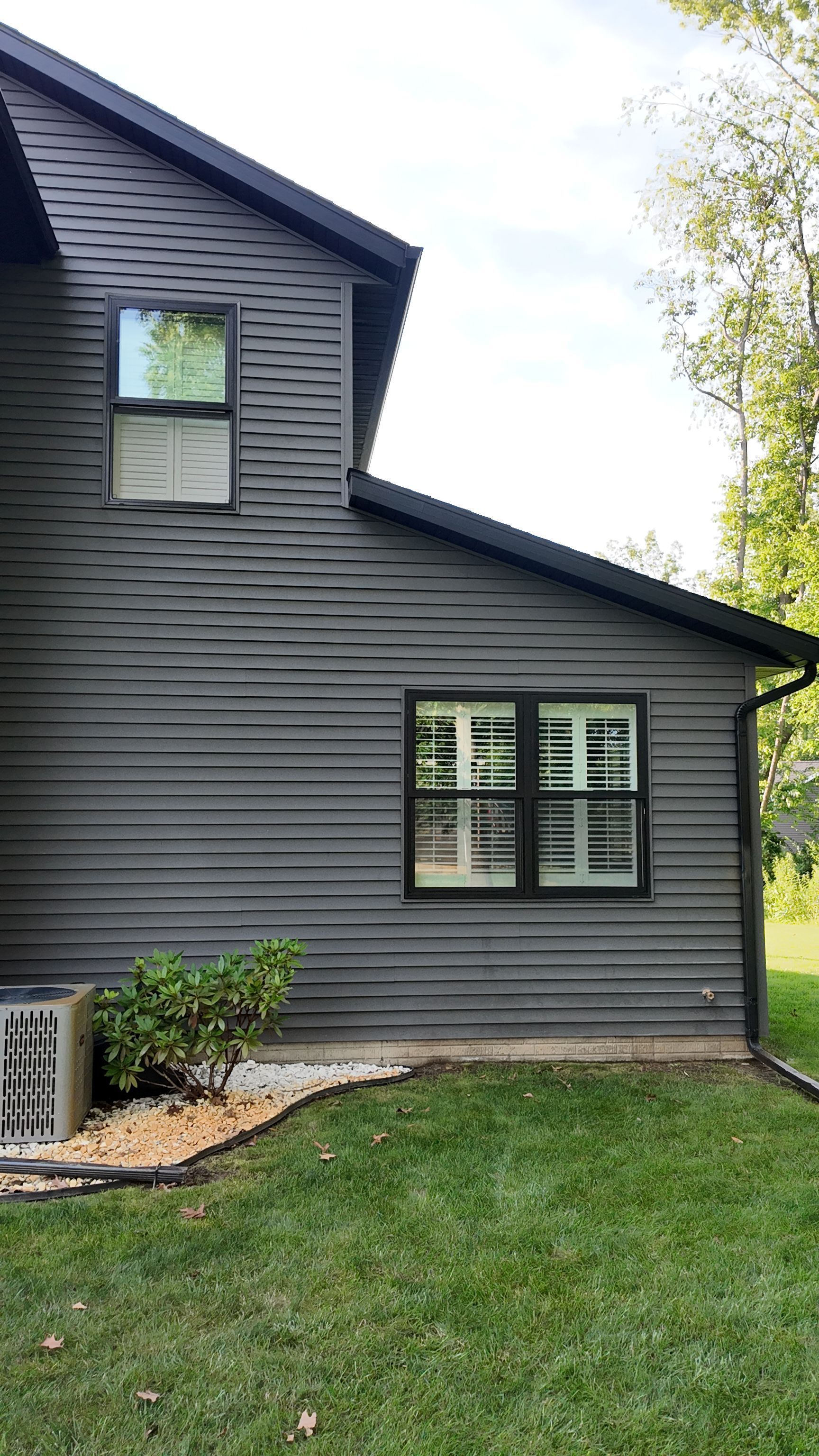
After exterior cleaning, the visible change on siding is the uniform removal of streaking and the restoration of the material's original color rather than a washed-out or patchy appearance. On concrete, staining lines and discoloration are substantially reduced, and the texture becomes visible again where previous buildup had filled it in. Roof surfaces cleaned with soft washing shed the dark algae streaks—often mistaken for shingle deterioration—revealing the original surface beneath. Owen's Exterior Cleaning calibrates the process to what each surface can tolerate so the result doesn't create secondary damage.
House washing, siding, roofs, patios, driveways, and other exterior surfaces are each evaluated separately because contamination type and surface sensitivity vary even within a single property. A back patio with embedded organic growth is a different problem than a front driveway with tire marks and oil pooling, and the method applied to each reflects that distinction.
Before scheduling exterior cleaning in Elkhart, most property owners have questions about surface safety, what the process covers, and how to evaluate whether results will hold. The following addresses the questions that come up most consistently.
What Property Owners Usually Ask About Exterior Washing
What is the difference between pressure washing and soft washing, and how is the right method chosen?
Pressure washing uses high-force water for dense surfaces like concrete and brick, while soft washing uses lower pressure and cleaning solutions for softer or porous surfaces like siding and roofing—the surface material and contamination type determine which method applies.
How is pricing determined for exterior cleaning?
Custom pricing is based on the specific property, total surface area, surface types, and the level of contamination present, which means two properties of similar size can require different scopes of work and cost differently.
Why does roof discoloration come back after a basic rinse?
The black or green streaking on roofs is biological—algae and lichen that bond to shingle granules—and rinsing with water alone does not remove the root structure, so regrowth begins almost immediately without a proper treatment solution.
What exterior surfaces can be cleaned in a single service visit?
Elkhart residential properties commonly have a combination of siding, concrete driveways, walkways, patios, and roofing that can be addressed in one visit when the scope is defined in advance.
How long does cleaned concrete typically stay clear before needing retreatment?
In a climate with Elkhart's seasonal rainfall and freeze-thaw cycles, concrete in shaded or low-drainage areas tends to accumulate organic growth faster than exposed surfaces, making annual or semi-annual cleaning realistic for most driveways and patios.
Owen's Exterior Cleaning evaluates each property individually before work begins to confirm the right method for every surface on site. Contact the office to schedule a property review and receive pricing specific to your exterior's current condition.