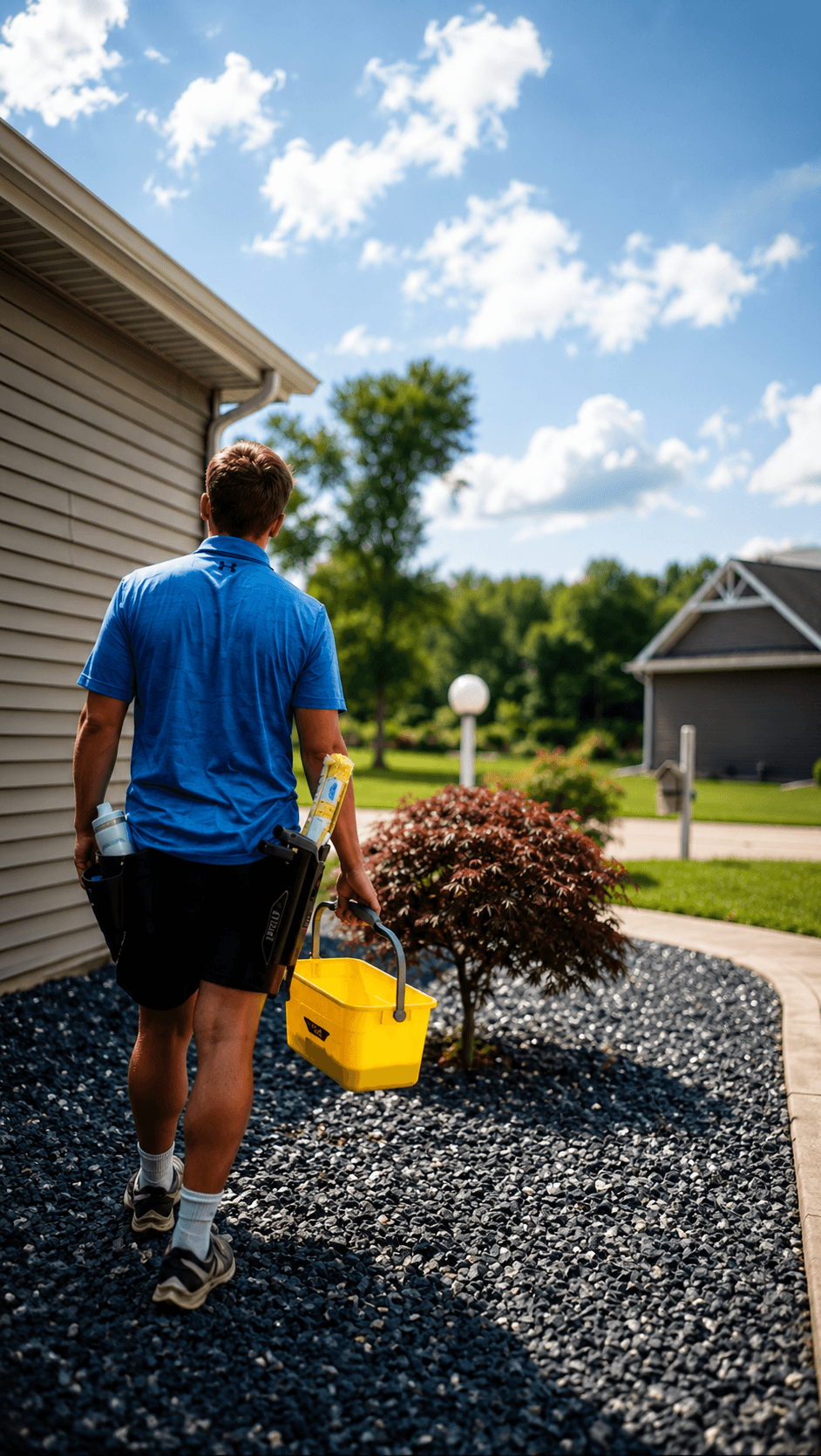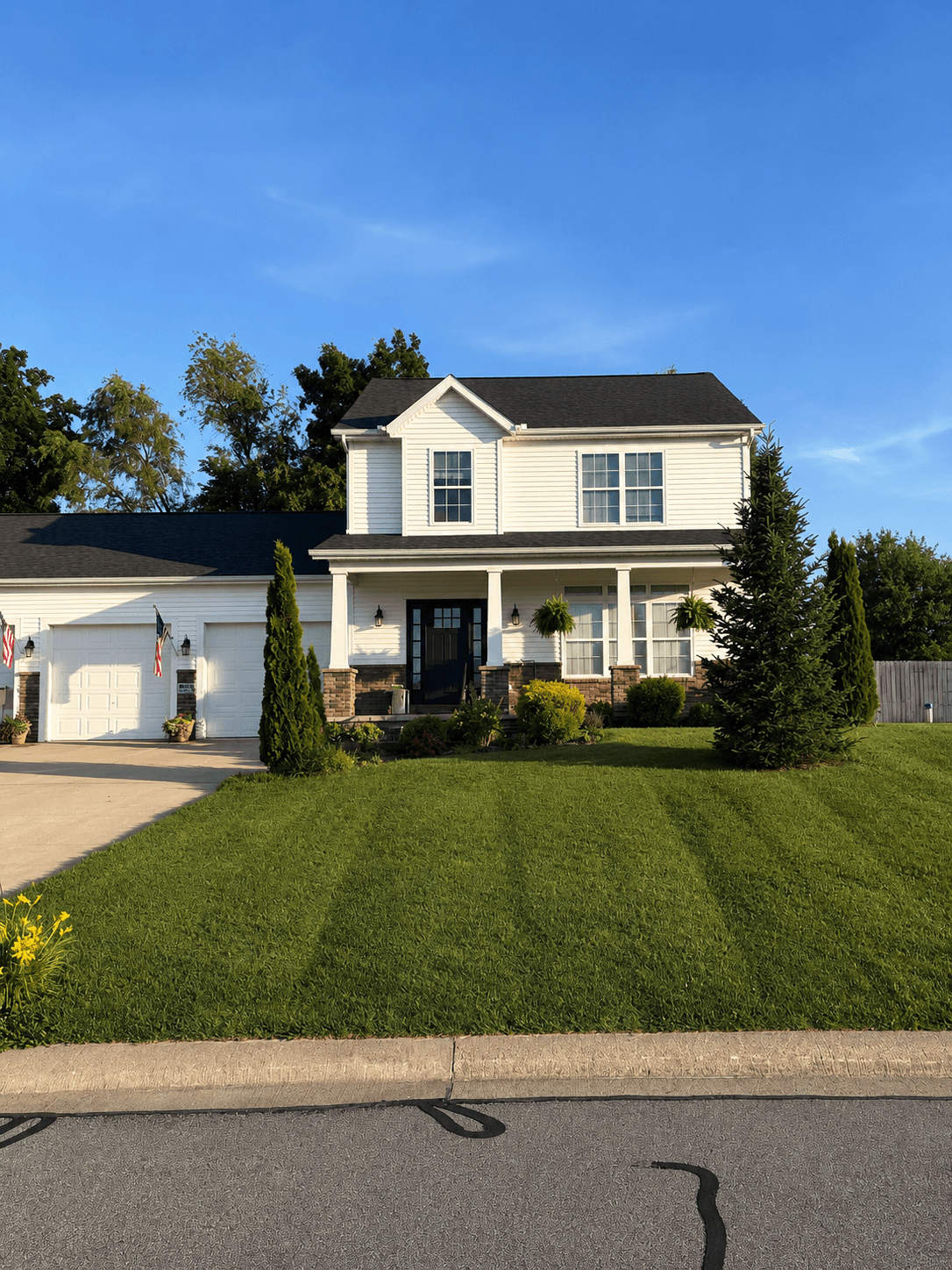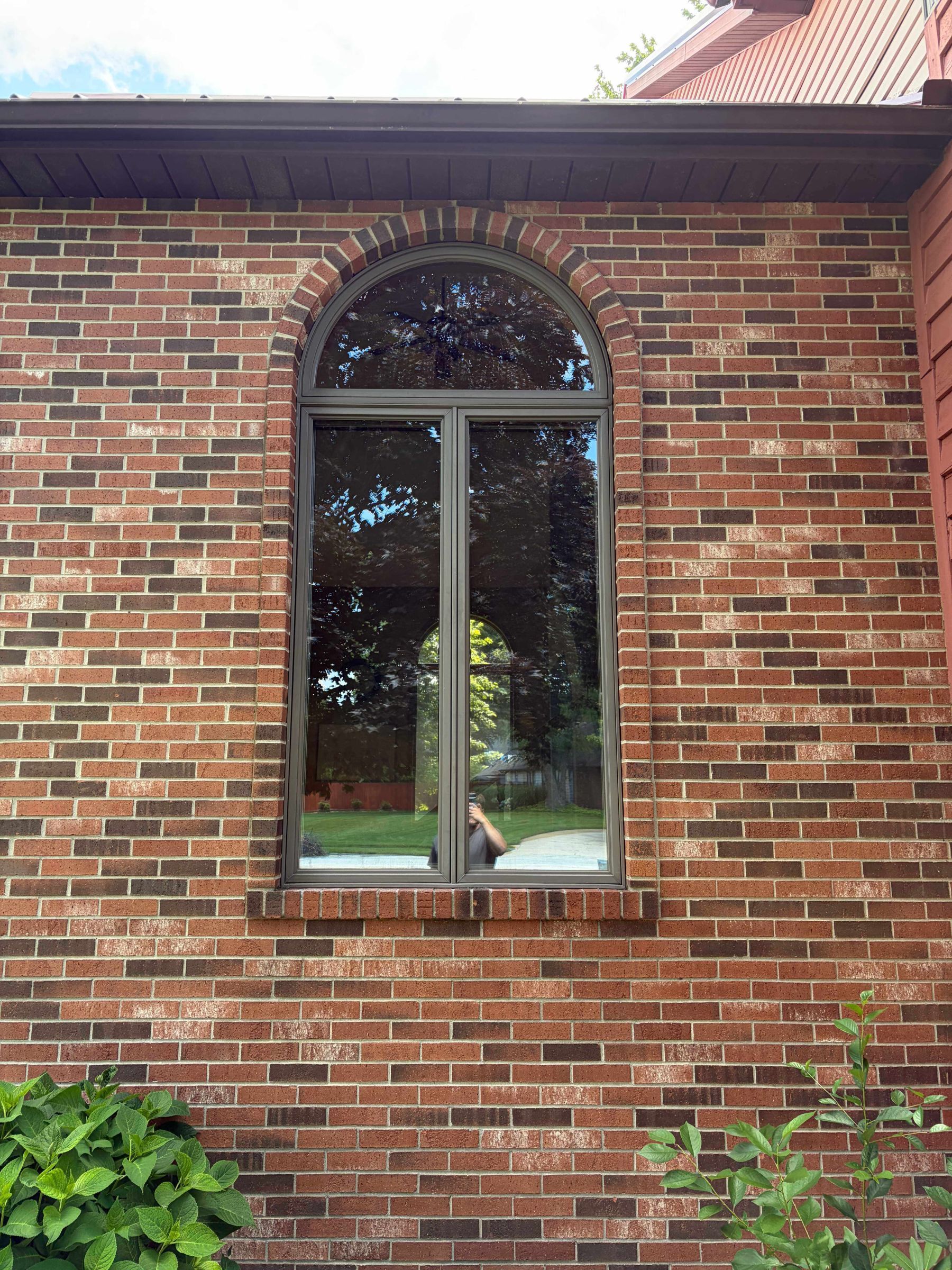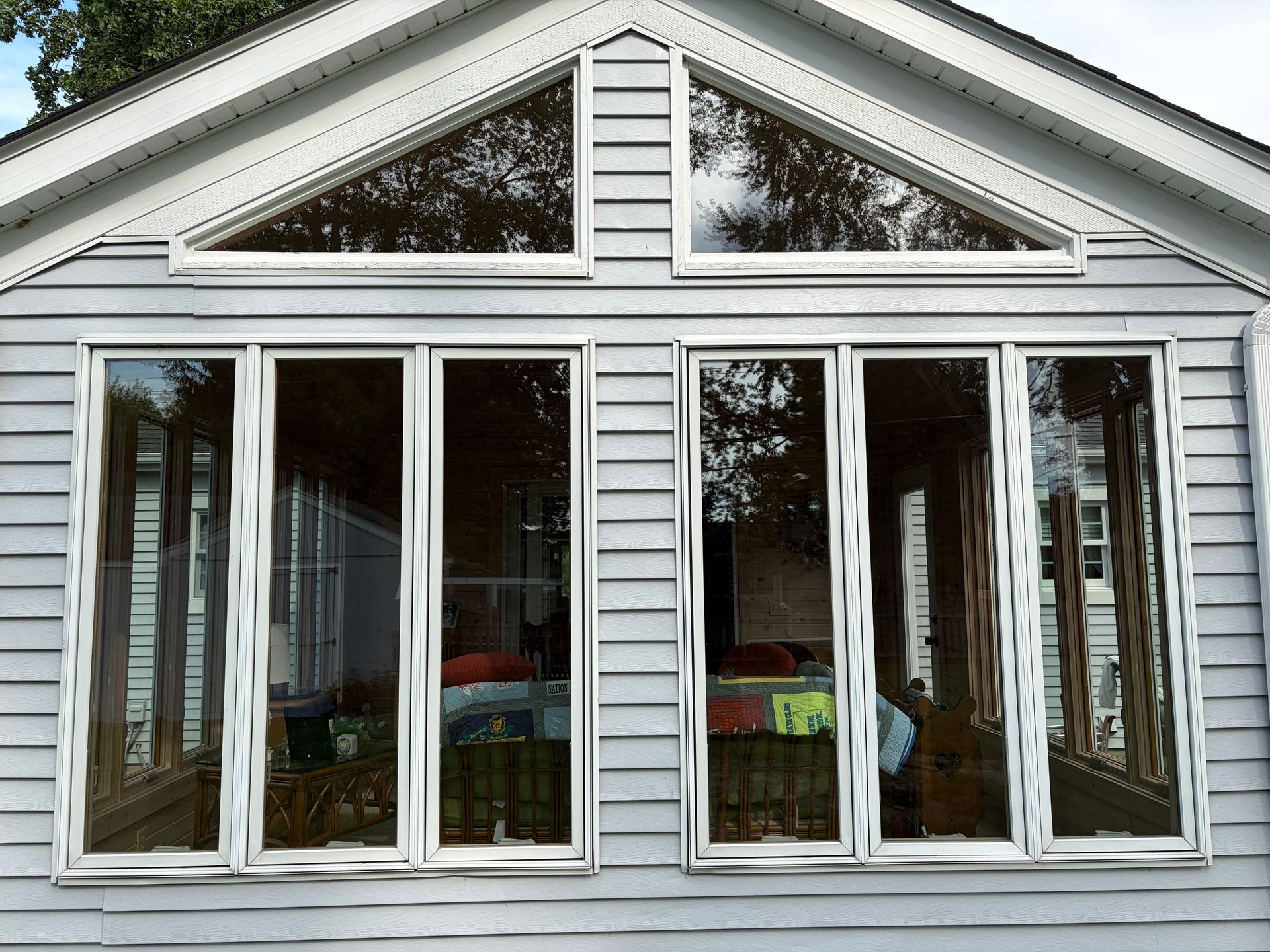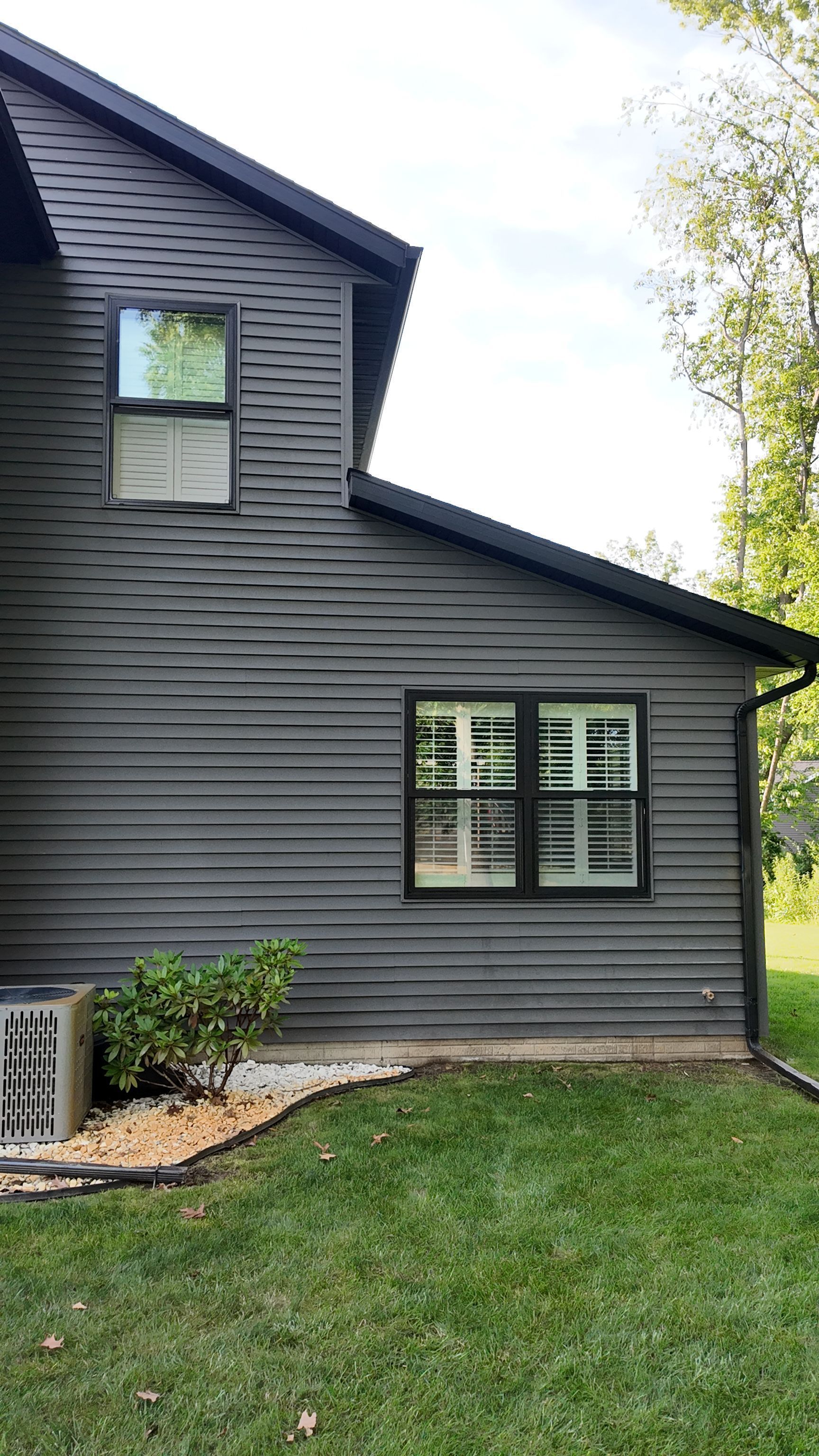
Understanding Soft Washing for South Bend Siding and Exteriors
Soft washing in South Bend, IN uses low pressure and biodegradable solutions to safely clean siding, roofs, and exterior surfaces without damage.
What Is the Difference Between Soft Washing and Pressure Washing?
Soft washing uses specialized cleaning solutions applied at low water pressure, while pressure washing relies on high-pressure water force to remove surface contamination.
The key distinction comes down to what does the cleaning work. With pressure washing, the water pressure itself blasts debris away from the surface. With soft washing, the cleaning solution breaks down the biological organisms and contaminants at a chemical level first, and then low-pressure rinsing carries everything away. This approach is effective on surfaces that would be damaged by high water pressure, such as vinyl siding, painted wood, and asphalt shingles.
Because soft washing targets the root of the problem rather than just blasting the surface, results typically last longer. Algae and mold spores that are simply knocked off by water pressure often regrow within weeks. A solution that kills the organism at the source delays regrowth significantly and keeps surfaces looking cleaner for a longer period between appointments.
Which Exterior Surfaces Benefit Most from Soft Washing?
Soft washing works best on surfaces that are porous, fragile, or prone to damage from concentrated water pressure, making it the right choice for most South Bend home exteriors.
Vinyl and fiber cement siding are two of the most common surfaces on South Bend homes, and both respond very well to soft washing. High-pressure water can force moisture behind siding panels or crack older sections, while low-pressure application avoids both issues. The cleaning solution penetrates surface pores to address mold and algae growth without any physical impact on the material itself.
Roof surfaces, wood fencing, stucco, and painted trim are also good candidates for soft washing. Asphalt shingles in particular are sensitive to direct high-pressure washing, which can strip granules off the shingle surface and reduce their protective function. Soft washing addresses the algae and lichen growing on roof surfaces without shortening the life of the shingles underneath.
You can see the full list of surfaces we handle and how we approach each one on our soft washing service overview.
How the Cleaning Process Works from Application to Rinse
A soft wash appointment involves pre-treating the surface with solution, allowing dwell time for the chemistry to work, and then rinsing at low pressure to carry away all the loosened material.
The technician first evaluates the surface to determine the appropriate solution concentration for the level of biological growth present. Surfaces with heavier algae or mold coverage need a longer dwell period so the solution has time to break down the organisms before rinsing begins. Moving too quickly through this step reduces the effectiveness of the treatment and may require a second application.
Surrounding vegetation, such as shrubs, flower beds, and grass, is rinsed before and after to dilute any solution that reaches plant material. A professional soft wash technician accounts for this step as part of the standard process and does not skip it, particularly on properties with established landscaping. The result is a clean exterior without collateral damage to the plants around the foundation of your home.
How South Bend's Great Lakes Humidity Feeds Algae and Mold Growth
South Bend's proximity to Lake Michigan creates elevated humidity conditions throughout much of the year that accelerate biological growth on home exteriors faster than in drier inland climates.
The Great Lakes region experiences lake-effect moisture patterns that push humid air inland across northern Indiana regularly. This sustained ambient moisture creates an environment where algae, mold, and mildew find it much easier to establish and spread on siding, roofs, and trim. Homes on the north or east sides of properties where shade reduces drying time between rain events are particularly susceptible to rapid biological growth.
For South Bend homeowners, this means exterior surfaces need attention more frequently than the national average. Soft washing addresses existing growth effectively, but maintaining a routine cleaning schedule prevents heavy buildup from developing in the first place. Pairing soft washing with our pressure washing for hard surfaces lets you address both porous and non-porous areas in the same service visit.
Soft washing safely cleans surfaces that pressure washing would damage while delivering results that last longer by treating biological growth at its source.
Connect with Owen's Exterior Cleaning about soft washing for your South Bend home by calling (574) 349-1887.